
Saturday, November 6, 2010


Tuesday, September 28, 2010
Obesogens
I recently read this article on Obesogens. It made a TON of sense. So, rather than going on about my own personal theories, here's what WIKIPEDIA had to say about Obesogens:
Obesogens are chemical compounds foreign to the body that are hypothesized to disrupt normal development or homeostasis of metabolism of lipids ultimately resulting in obesity.[1][2] Obesogens may be functionally defined as chemicals that inappropriately alter lipid homeostasis and fat storage, change metabolic setpoints, disrupt energy balance or modify the regulation of appetite and satiety to promote fat accumulation and obesity.[3]
There are many proposed mechanisms through which obesogens can act, including alterations in the action of metabolic sensors; dysregulation of sex steroid synthesis, action or breakdown; changes in the central integration of energy balance including the regulation of appetite and satiety; and reprogramming metabolic setpoints.[4][5] Some of these proposed pathways include inappropriate modulation of nuclear receptor function; therefore, these compounds are classified as endocrine disrupting chemicals.[6] Several examples of substances that could be classified as obesogens include tributyltin, bisphenol A, diethylhexylphthalate, and perfluorooctanoate. Emerging evidence from laboratories around the world suggests that other chemicals will be confirmed as falling under this proposed classification in the near future.
The term obesogen was coined by Bruce Blumberg of the University of California, Irvine.[7] The topic of this proposed class of chemical compounds and how to counteract their effects is explored at length in the book The New American Diet.
http://en.wikipedia.org/wiki/Obesogen.
Please do me a favor and read this newsweek article. It's pretty scary.
http://www.newsweek.com/2009/09/10/born-to-be-big.html
Obesogens are chemical compounds foreign to the body that are hypothesized to disrupt normal development or homeostasis of metabolism of lipids ultimately resulting in obesity.[1][2] Obesogens may be functionally defined as chemicals that inappropriately alter lipid homeostasis and fat storage, change metabolic setpoints, disrupt energy balance or modify the regulation of appetite and satiety to promote fat accumulation and obesity.[3]
There are many proposed mechanisms through which obesogens can act, including alterations in the action of metabolic sensors; dysregulation of sex steroid synthesis, action or breakdown; changes in the central integration of energy balance including the regulation of appetite and satiety; and reprogramming metabolic setpoints.[4][5] Some of these proposed pathways include inappropriate modulation of nuclear receptor function; therefore, these compounds are classified as endocrine disrupting chemicals.[6] Several examples of substances that could be classified as obesogens include tributyltin, bisphenol A, diethylhexylphthalate, and perfluorooctanoate. Emerging evidence from laboratories around the world suggests that other chemicals will be confirmed as falling under this proposed classification in the near future.
The term obesogen was coined by Bruce Blumberg of the University of California, Irvine.[7] The topic of this proposed class of chemical compounds and how to counteract their effects is explored at length in the book The New American Diet.
http://en.wikipedia.org/wiki/Obesogen.
Please do me a favor and read this newsweek article. It's pretty scary.
http://www.newsweek.com/2009/09/10/born-to-be-big.html
Monday, September 20, 2010
If you haven't read this, you need to
There is a recent article that just came out at rd.com (reader's digest). I feel that every single friend/client/person in the world should read this article. It really sums up exactly what I feel people need to know.
Here's the link:
http://www.rd.com/living-healthy/13-things-you-never-knew-about-your-weight-slideshow/article180189-12.html?links
PLEASE READ IT!
My next post will be on Obesogens. You won't want to miss it.
PS: just updated my website. http://roundrockpersonaltrainer.com
If you haven't signed up with me yet, do it! There is no better time than now to take control of your health!
Here's the link:
http://www.rd.com/living-healthy/13-things-you-never-knew-about-your-weight-slideshow/article180189-12.html?links
PLEASE READ IT!
My next post will be on Obesogens. You won't want to miss it.
PS: just updated my website. http://roundrockpersonaltrainer.com
If you haven't signed up with me yet, do it! There is no better time than now to take control of your health!
Sunday, February 14, 2010
Stevia... Is it safe?

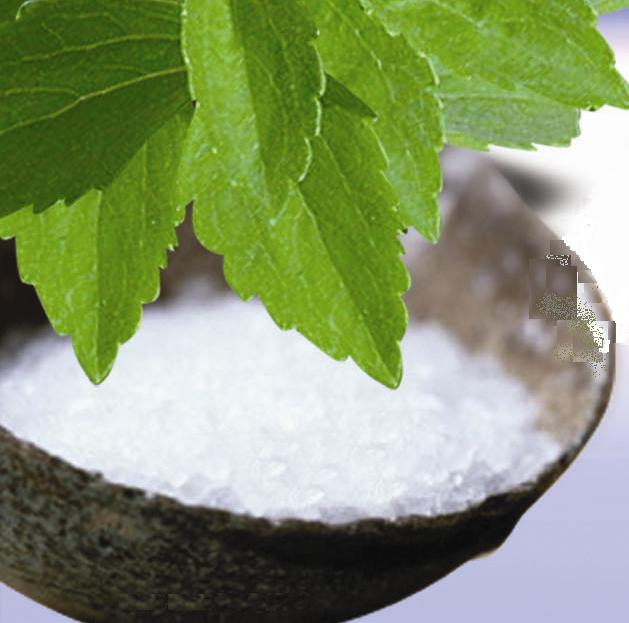
I'd like to start by saying that I am not a nutritionist. I'm simply a Personal Trainer with a great interest in Nutrition and the health of myself and my clients.
It all started when I went to my local healthy grocery store, Sprouts. I'm a lover of drinks, non-alcoholic of course, and one of my favorite isles to check out is the one with all the alternative soda options. They have sodas sweetened with organic cane sugar or "evaporated cane juice" (pretty much the same thing). They also have some sodas sweetened with one of my favorite low-glycemic sweeteners, Agave nectar. As I went down the isle, I saw a new kind of sweetener, Stevia (although the drink it was in is called Zevia). "What the heck is Stevia?" I wondered to myself. Being so against artificial sweeteners, I read the back, only to find out it comes from a plant source, meaning it wasn't chemically created. That's all fine and good, but there are plenty of plant sources out there you don't want to ingest. To name one off the top of my head, Tabacco. However, in the name of science, I decided to do a little experiment with myself.
I started the month of February by taking sugar out of my diet, and replacing it with Agave Nectar, and Stevia. I bought two 6-packs of Zevia sodas (one orange, one lime) to test the taste, and the effect on my body. From my own experience, I have two things to complain about Zevia. Number one, the taste. Gross. It's like aspartame in a way. Super sweet, weird aftertaste. Number two, how my body responded to the soda. Not only did I ALWAYS feel somewhat queasy after drinking the Zevia, I also got a rather uncomfortable response from my intestines. For that reason alone, I say NO to the Stevia. Honestly, I actually prefer the taste and feel of the sparkling water with a little lemon juice.
From my own experience, I have two things to complain about Zevia. Number one, the taste. Gross. It's like aspartame in a way. Super sweet, weird aftertaste. Number two, how my body responded to the soda. Not only did I ALWAYS feel somewhat queasy after drinking the Zevia, I also got a rather uncomfortable response from my intestines. For that reason alone, I say NO to the Stevia. Honestly, I actually prefer the taste and feel of the sparkling water with a little lemon juice. On to another personal theory of why Stevia may not be good for you. Going with the concept of moderation in all things, just as massive amounts of sugar do bad things to you, massive amounts of a small plant located in South America, may not be as "natural" as you'd think. How often have you stumbled upon a Stevia plant in your lifetime? Sure, it's POSSIBLE the Native American's used it in one of their drinks (See Stevia's Website). How often did they consume that drink, though? And how long were their life spans? Just because the Native Americans may have consumed Stevia does not mean it's necessarily GOOD for you. They also smoked Peyote and used dung as camp fuel. I wouldn't say they were the models of healthy living.
Aside from the fact that it doesn't make me feel good, and from my own personal theories on the matter, there have been a few recent studies that have come out about Stevia. These studies say that Stevia may in fact be good for you.
"Stevia Effects: A New StudyThis latest study on stevia effects was published in the journal of Food and Chemical Toxicology. It showed that Rebaudioside A, derived from the stevia leaf, was non-toxic and showed no evidence of genotoxicity at doses of 750 mg. per kg. of body weight in mice and 2000 mg. per kg. of body weight in rats. The researchers emphasize these results are consistent with previous stevia studies and that stevia is safe and non-genotoxic. The conclusions reached from this study on stevia effects should be welcome news to those eager for a safe, natural sugar alternative.
Stevia Effects: Are There Benefits?Some stevia studies have shown that this natural sweetener may have additional health benefits. In rats, it appears to increase insulin sensitivity. If this holds true in human, it could be beneficial for those with diabetes and metabolic syndrome. Some stevia studies have also shown that it helps to lower blood pressure and could be useful for those with hypertension. "
The only negative study on Stevia I found, was cited in Wikipedia:
"A 1985 study reported that steviol, a breakdown product from stevioside and rebaudioside (two of the sweet steviol glycosides in the stevia leaf), is a mutagen in the presence of a liver extract of pre-treated rats[33] — but this finding was criticized on procedural grounds that the data were mishandled in such a way that even distilled water would appear mutagenic.[34] Over the following years bioassay, cell culture, and animal studies have shown mixed results in terms of toxicology and adverse effects of stevia constituents, but in general, they have not been found to be harmful. While reports emerged that found steviol and stevioside to be weak mutagens,[35][36] the bulk of studies show an absence of harmful effects.[37][38] In a 2008 review, 14 of 16 studies cited showed no genotoxic activity for stevioside, 11 of 15 studies showed genotoxic activity for steviol, and no studies showed genotoxicity for Rebaudioside A. Nevertheless, even if a chemical can cause DNA damage in the controlled conditions of a bioassay (e.g., in bacteria, in mammalian cell cultures) it is a fundamentally different question whether it causes cancer in intact organisms (e.g., rodents, humans) or is teratogenic (i.e., causes birth defects). No evidence for stevia constituents causing cancer or birth defects has been found.[37][38]"
And, as you can see, it may not be a very reliable study.
So what do I personally recommend? I say, if you want a little Stevia, go for it. I feel like it hasn't really been used long enough for anyone to know for sure the effects, however the studies seem to point to it being a relatively safe thing to ingest. I do caution, however, that you don't overuse Stevia. Use it in moderation. Limit yourself to one Stevia sweetened beverage a day. Personally, because of my own experience, I am going to stick with using Agave nectar as my sweetener of choice. I'll explain in my next article why.
Thursday, January 28, 2010
Splenda... and all it's Chemically Altered Glory!
SPLENDA:
This article has long been overdue. For those of you who love to drink Diet Coke because you think you're doing your body a favor, I want you to read this article, and reconsider your beverage choices.
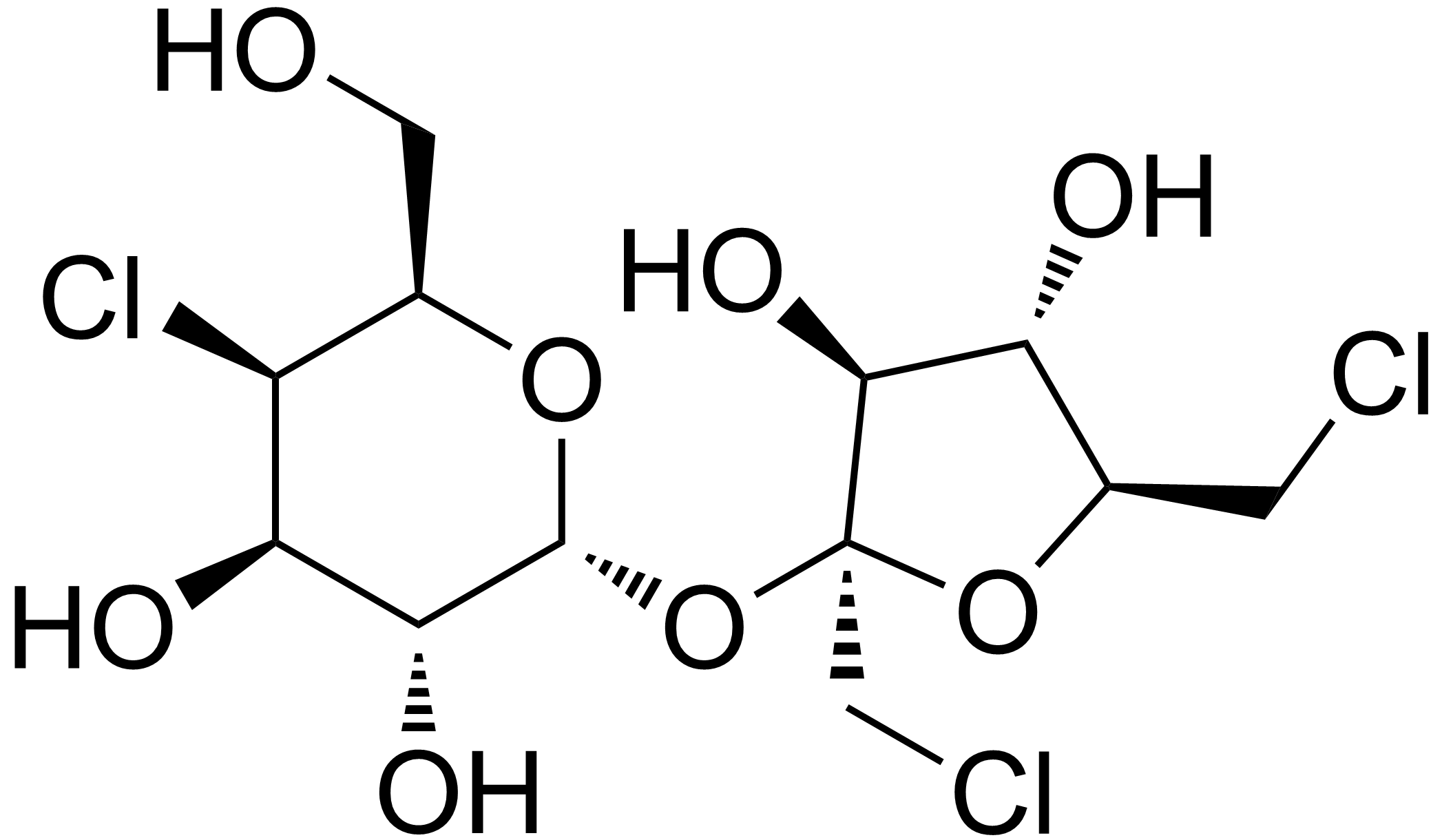
As you all know, I am a HUGE proponent of eating healthy, clean, and natural. So artificial sweeteners kind of go against nature, by their very nature. Starting with Splenda (aka Sucralose), a sugar substitute CHEMICALLY ALTERED so that our bodies cannot digest the sugar calories. They alter the chemical code, to make it into a chlorinated sucrose (sugar) molecule. Meaning they change sugar's basic molecular structure. Here's a diagram to show you what I mean: The first diagram is of sucrose's chemical structure.
The second diagram (below) is of sucrose's altered structure, now Sucralose.

Notice that the two OH's on the right are now Cl's.
How do they alter the very chemical structure? I can guarantee it's not natural. If you'd like to know more about the process, click here.
Despite the fact that it isn't natural, there have been numerous studies that find nothing wrong with Splenda. The only study I could find to actually say anything possibly negative about Splenda or Sucralose's effect on the human body were from a Duke University study funded by the Sugar lobbying group, so they may not be as impartial as we'd like them to be. The study found the mice in the study who were dosed with between 100 and 1000 mg/kg per day of sucralose had a 50% reduction of good bacteria in their intestines. They also found it increased body fat in those rats and led to an increased pH level in their intestines. These were rats, however, not humans.
On the other hand, who's to say the studies conducted by the FDA are unbiased? I've recently had the unfortunately eye-opening experience of watching Food, Inc., and I feel as though the FDA is not as trustworthy as it would like us to believe it is.
So I did some more digging.
I'm not super excited about doing research on the Internet. Anyone can put anything they want out into cyberspace, and I don't want to falsely report to my faithful blog followers. I will say this: the fact that Splenda/sucralose has chlorine, and the fact that our bodies absorb anywhere from 11-27% of it, means we might be slowly poisoning ourselves with it. Chlorine is not meant for the body. We're also tricking our bodies. We intake a sweet substance, and our brain tells the insulin receptors to get ready for a big surge of insulin! But then nothing happens. We get zero. Now our bodies are ready for action, and nothing? What does this do? It makes us crave the sugar and the jolt we usually get with it, and tends to turn dieters into sugar junkies all over again.
And must I stress for the 3rd time that SPLENDA IS NOT NATURAL. It just isn't. It was made in a lab, it has potentially harmful chlorinated chemicals in it, and it's not recognized by the body. Our bodies were designed to ingest very low levels of sweeteners, things occuring in nature. Table sugar does not fit in to this plan, nor does Splenda. My consensus? Stay away.
I wanted to include here a few of the blogs and sites I found against Splenda, just so we can kind of see what the CONSUMERS and the Organic Community are saying, not just the scientists:
http://splendasickness.blogspot.com/
http://www.organicconsumers.org/articles/article_16815.cfm
the following web pages also scared me but I'm not sure how trustworthy they are, so take it with a grain of salt:
http://www.truthforum.co.uk/forum/viewtopic.php?f=56&t=170
http://www.wnho.net/splenda_reaction.htm
I know there are several other artificial sweeteners out there. I found Splenda to be the least threatening of them all. I wanted to blog about all of them, but honestly, just the little amount of info I got was incredibly time consuming, and not nearly as fruitful as I'd hoped it would be. I will blog next about the natural calorie free sweetener, Stevia, and whether or not it's healthy to put into our bodies.
As a final note, I have a personal blog. I recently posted on the movie Food, Inc., which I watched last weekend. I didn't post about it on this blog because I feel like it's a personal passion I now have, something I don't want to push on others. But if you're interested in reading about my very strong opinions on the Food Industry as we know it, please check out my blog at http://hoketungs.blogspot.com/.

This article has long been overdue. For those of you who love to drink Diet Coke because you think you're doing your body a favor, I want you to read this article, and reconsider your beverage choices.
As you all know, I am a HUGE proponent of eating healthy, clean, and natural. So artificial sweeteners kind of go against nature, by their very nature. Starting with Splenda (aka Sucralose), a sugar substitute CHEMICALLY ALTERED so that our bodies cannot digest the sugar calories. They alter the chemical code, to make it into a chlorinated sucrose (sugar) molecule. Meaning they change sugar's basic molecular structure. Here's a diagram to show you what I mean: The first diagram is of sucrose's chemical structure.
The second diagram (below) is of sucrose's altered structure, now Sucralose.
Notice that the two OH's on the right are now Cl's.
How do they alter the very chemical structure? I can guarantee it's not natural. If you'd like to know more about the process, click here.
Despite the fact that it isn't natural, there have been numerous studies that find nothing wrong with Splenda. The only study I could find to actually say anything possibly negative about Splenda or Sucralose's effect on the human body were from a Duke University study funded by the Sugar lobbying group, so they may not be as impartial as we'd like them to be. The study found the mice in the study who were dosed with between 100 and 1000 mg/kg per day of sucralose had a 50% reduction of good bacteria in their intestines. They also found it increased body fat in those rats and led to an increased pH level in their intestines. These were rats, however, not humans.
On the other hand, who's to say the studies conducted by the FDA are unbiased? I've recently had the unfortunately eye-opening experience of watching Food, Inc., and I feel as though the FDA is not as trustworthy as it would like us to believe it is.
So I did some more digging.
I'm not super excited about doing research on the Internet. Anyone can put anything they want out into cyberspace, and I don't want to falsely report to my faithful blog followers. I will say this: the fact that Splenda/sucralose has chlorine, and the fact that our bodies absorb anywhere from 11-27% of it, means we might be slowly poisoning ourselves with it. Chlorine is not meant for the body. We're also tricking our bodies. We intake a sweet substance, and our brain tells the insulin receptors to get ready for a big surge of insulin! But then nothing happens. We get zero. Now our bodies are ready for action, and nothing? What does this do? It makes us crave the sugar and the jolt we usually get with it, and tends to turn dieters into sugar junkies all over again.
And must I stress for the 3rd time that SPLENDA IS NOT NATURAL. It just isn't. It was made in a lab, it has potentially harmful chlorinated chemicals in it, and it's not recognized by the body. Our bodies were designed to ingest very low levels of sweeteners, things occuring in nature. Table sugar does not fit in to this plan, nor does Splenda. My consensus? Stay away.
I wanted to include here a few of the blogs and sites I found against Splenda, just so we can kind of see what the CONSUMERS and the Organic Community are saying, not just the scientists:
http://splendasickness.blogspot.com/
http://www.organicconsumers.org/articles/article_16815.cfm
the following web pages also scared me but I'm not sure how trustworthy they are, so take it with a grain of salt:
http://www.truthforum.co.uk/forum/viewtopic.php?f=56&t=170
http://www.wnho.net/splenda_reaction.htm
I know there are several other artificial sweeteners out there. I found Splenda to be the least threatening of them all. I wanted to blog about all of them, but honestly, just the little amount of info I got was incredibly time consuming, and not nearly as fruitful as I'd hoped it would be. I will blog next about the natural calorie free sweetener, Stevia, and whether or not it's healthy to put into our bodies.
As a final note, I have a personal blog. I recently posted on the movie Food, Inc., which I watched last weekend. I didn't post about it on this blog because I feel like it's a personal passion I now have, something I don't want to push on others. But if you're interested in reading about my very strong opinions on the Food Industry as we know it, please check out my blog at http://hoketungs.blogspot.com/.
Friday, January 1, 2010
New Years Resolutions, and Why They Often Fail

It's 2010. Time passes so quickly. I think back on how a full decade has passed since the Y2K scare of 2000, and it really doesn't feel like it was that long ago. Normally the blog posts I write are full of information and research. Today I want to write something I have seen time and again, and experienced myself around the new year.
The Number 1 New Years Resolution that Most People Make and NEVER ACT ON:
In 2010 I want to Lose Weight:
Ok.. so you want to lose weight. Most people stop here. Hence, the lack of success... However, if this is the resolution you have made, I'd like you to ask yourself the following questions:
1. How much Weight do you want to Lose?
2. Why?
3. How are you going to ensure that you lose this weight/get in shape/tone up?
4. Are you going to eat healthy and exercise?
5. How often and what type of exercise will you be doing?
6. How will you change your diet?
7. How are you going to make sure you do this?
8. How STRONG is your resolve to lose weight?
Just because you dream it, doesn't mean it will happen. You have to MAKE IT HAPPEN. I could sit around all day WISHING I had an amazing body, but unless I go to the gym, work out regularly, and eat the right things the right way, I am not going to see a difference in my body. Your body is the product of how you treat it. I know this. I know because I was able to transform my OWN body, and I know that if MY body could change, EVERYONE's body can change (for the better or the worse). It is human nature. Our bodies adapt to the environment we give them. I have seen clients bodies change. I've seen a woman with no shape, turn into a beautiful hour glass within months. I have seen women's butts go from saggy and shapeless to round, taught, and about 2 inches higher than they once were.
You also have to WANT IT ENOUGH. On a scale of 1-10 how determined are you to reach your goals? If you are at a 7, you won't see results. You have to be at a 10, heck, an 11, to make sure you follow through with your weight loss plan. There is no magic weight loss pill. Losing weight requires WORK. Losing weight is not easy and can be frustrating. It doesn't happen overnight, and you may not see results for weeks, or months. And then... one day, you go shopping and are suddenly having to buy pants 2 sizes smaller! That's the reward, though, and you have to do the work to get that.
So this year, when you decide you want to "lose weight" make a real plan. If you don't see yourself having enough willpower to stick to the plan, but feel like all you need is a little support, or a little guidance, maybe you should think about hiring a trainer. Maybe a little kick in the rear is what you need. Most people really don't have all the tools they need to lose weight. Most people have no idea what to eat, how often to exercise, what KIND of exercise they should be doing, etc. That's where I come in. Nothing makes me happier than helping people achieve their goals.
I hope you all enjoyed bringing in the New Year, and are ready to make 2010 the HEALTHIEST YEAR OF YOUR LIVES!!!!
Saturday, December 12, 2009
What Recovery Shake Should I Use?
A common question I have gotten from clients and bootcamp goers, is "What recovery shake do you recommend?" At first, I wanted to recommend the shake I use occasionally, but then I realized, this is something I haven't done enough research on. So I found a few articles online, looked up a few research studies, and have come up with the following information for those of you who want advice on your post-workout recovery.
The first website I found was: http://www.truthaboutabs.com/post-workout-meals-shakes.html
Then I found: http://www.thefreelibrary.com/Making+Your+Post+Workout+Meal+Count+for+Muscle+Building-a01073955351 which basically has the same idea. You want to eat protein, carbs, and no fats after your workout.
This Article mentions a study proving that eating real Meat after a workout helps promote muscle growth better than eating any other source of protein: http://www.drmirkin.com/fitness/1181.html, found it on this website: http://stanford.wellsphere.com/exercise-article/new-theory-on-recovery-from-workouts/77936.
What I recommend, from my own personal school of thought, is to eat recovery FOOD. Instead of a recovery drink, try to get in a simple carb and some protein within 30 minutes of finishing your strength training workout. This will prevent muscle loss and refuel the muscles so that they are less sore than they would've been the next day. An example of a recovery meal that I personally enjoy eating?
1. a bowl of lentil soup and a piece of gluten free bread or some crackers
2. a sandwich with lean meat, or tuna
3. fat-free greek yogurt with granola(mine's gluten free) and dried blueberries
4. gluten-free pasta with meat spaghetti sauce
5. QUINOA or Quinoa Oatmeal (Made from smashed quinoa)
Now that I've read the article about eating meat vs. other protein sources, I will try to include more meat and less plant sources of protein right after I work out.
I still haven't answered which recovery shake I recommend. I suppose if you can't get the real food in your body it is better than nothing, so here are a few I found with ingredient lists I can live with:
1)ProEnergy - although it has Stevia in it (which I'm not a huge fan of)
2)Endurox - the protein shake recommended to me by my fellow personal trainer and friend, Jake
3)I found something called Warrior Milk- but I can't find any reviews on it, nor can I find a complete ingredient list. It seems cool, but I am not 100% sold: http://www.warriormilk.com/
I do want to talk about my own personal experience with Endurox. I tried the following Endurox myself: http://www.accelsport.com/product-info/EnduroxR4-lemon-lime-info.html. The problem I have with Endurox is:
A) It has artificial coloring in it.
B) It doesn't really follow with my nutritional rules of eating WHOLE. Aside from that, in a pinch, it's not bad stuff.
What I did like about Endurox is that it relieved muscle soreness, and also prevented muscle cramping when I drank it DURING a run.
Anyway, that's all I've got for you. If you have any comments, please feel free to share. I'd like to emphasise that I'm a human being and my word is NOT law. I just do the research, and report what I find, and how I feel about it. I encourage you all to do the research yourselves and see what you come up with. If you find any information you feel you need to share with me, please feel free to email me or even call me and let me know!
Enjoy your holiday season!
The first website I found was: http://www.truthaboutabs.com/post-workout-meals-shakes.html
Then I found: http://www.thefreelibrary.com/Making+Your+Post+Workout+Meal+Count+for+Muscle+Building-a01073955351 which basically has the same idea. You want to eat protein, carbs, and no fats after your workout.
This Article mentions a study proving that eating real Meat after a workout helps promote muscle growth better than eating any other source of protein: http://www.drmirkin.com/fitness/1181.html, found it on this website: http://stanford.wellsphere.com/exercise-article/new-theory-on-recovery-from-workouts/77936.
What I recommend, from my own personal school of thought, is to eat recovery FOOD. Instead of a recovery drink, try to get in a simple carb and some protein within 30 minutes of finishing your strength training workout. This will prevent muscle loss and refuel the muscles so that they are less sore than they would've been the next day. An example of a recovery meal that I personally enjoy eating?
1. a bowl of lentil soup and a piece of gluten free bread or some crackers
2. a sandwich with lean meat, or tuna
3. fat-free greek yogurt with granola(mine's gluten free) and dried blueberries
4. gluten-free pasta with meat spaghetti sauce
5. QUINOA or Quinoa Oatmeal (Made from smashed quinoa)
Now that I've read the article about eating meat vs. other protein sources, I will try to include more meat and less plant sources of protein right after I work out.
I still haven't answered which recovery shake I recommend. I suppose if you can't get the real food in your body it is better than nothing, so here are a few I found with ingredient lists I can live with:
1)ProEnergy - although it has Stevia in it (which I'm not a huge fan of)
2)Endurox - the protein shake recommended to me by my fellow personal trainer and friend, Jake
3)I found something called Warrior Milk- but I can't find any reviews on it, nor can I find a complete ingredient list. It seems cool, but I am not 100% sold: http://www.warriormilk.com/
I do want to talk about my own personal experience with Endurox. I tried the following Endurox myself: http://www.accelsport.com/product-info/EnduroxR4-lemon-lime-info.html. The problem I have with Endurox is:
A) It has artificial coloring in it.
B) It doesn't really follow with my nutritional rules of eating WHOLE. Aside from that, in a pinch, it's not bad stuff.
What I did like about Endurox is that it relieved muscle soreness, and also prevented muscle cramping when I drank it DURING a run.
Anyway, that's all I've got for you. If you have any comments, please feel free to share. I'd like to emphasise that I'm a human being and my word is NOT law. I just do the research, and report what I find, and how I feel about it. I encourage you all to do the research yourselves and see what you come up with. If you find any information you feel you need to share with me, please feel free to email me or even call me and let me know!
Enjoy your holiday season!
Subscribe to:
Posts (Atom)